Tell us about the job
Takes about a minute. No obligation.
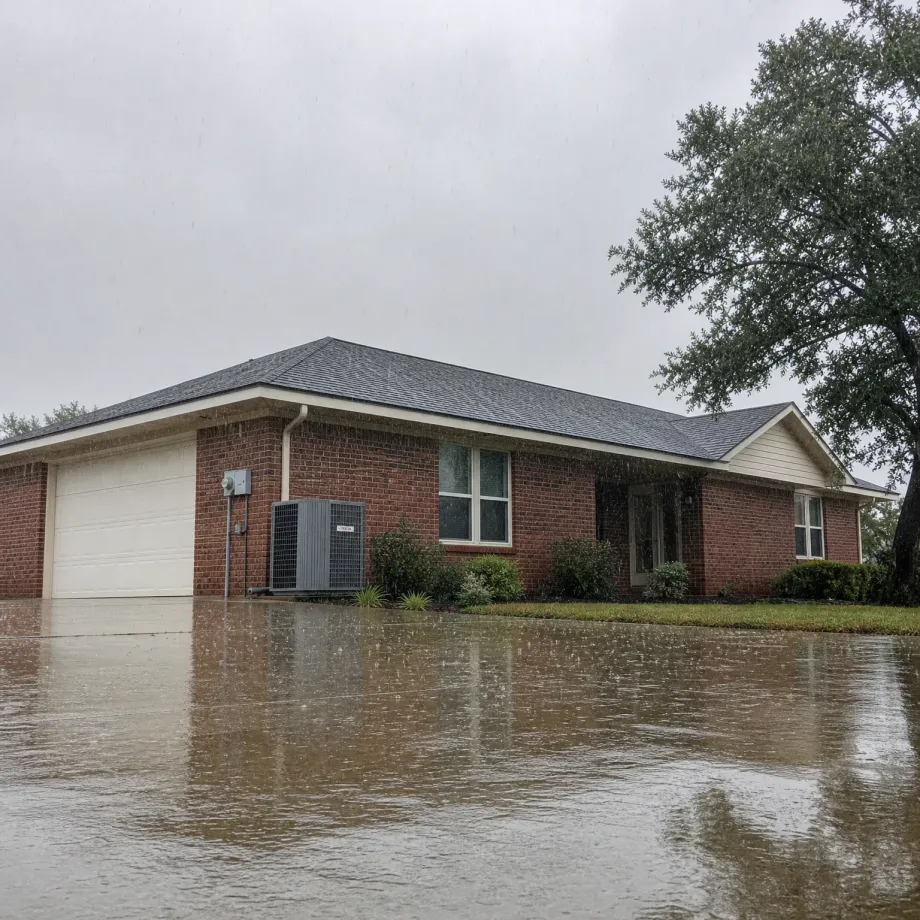
A contractor sizing or replacing a water heater in Monroe County starts with the unit itself: how old it is, how it was originally installed, and whether the venting and connections were done to code. 46 severe weather events were recorded in Monroe County, Georgia between 2015 and 2024. At that rate, severe weather is an occasional event here, not a standing operating condition, so it does not drive the wear patterns a contractor typically traces on a failing unit. Sediment buildup, anode rod neglect, and undersized capacity are the explanations that hold up in this county.
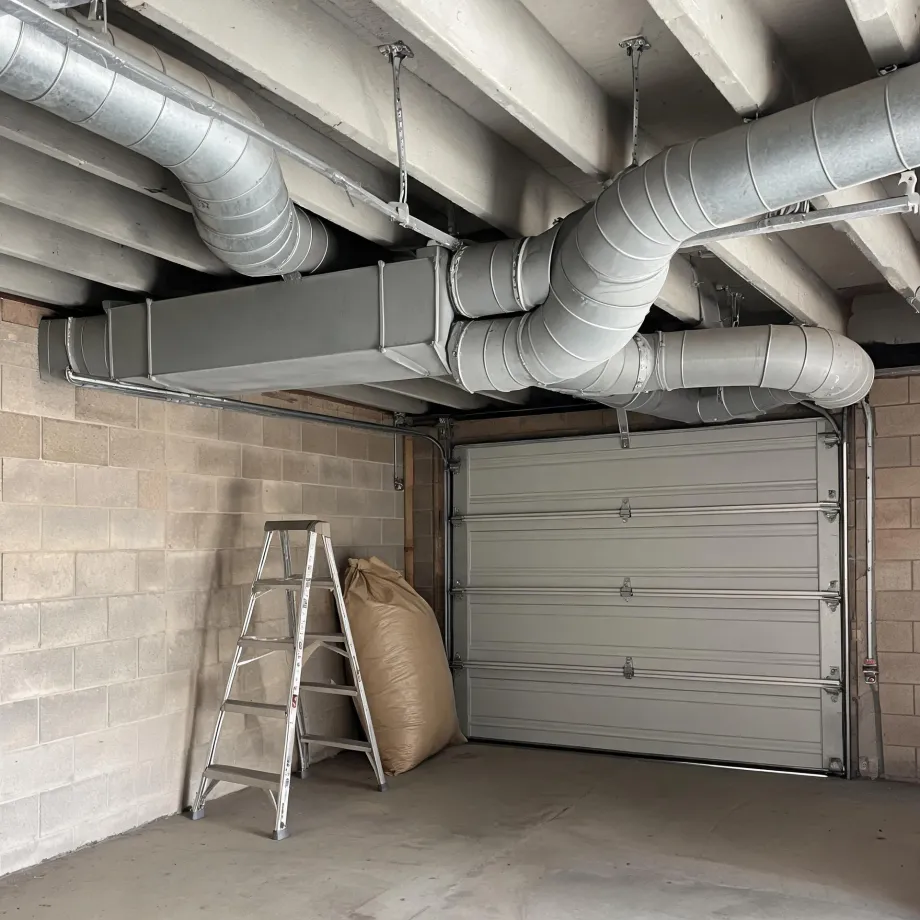
The electrical panel is where a water heater installation in Monroe County gets decided, and whether it has the capacity a new unit requires is something a contractor has to measure, not assume. Half the homes in Monroe County, Georgia were built in 1995 or earlier (2020-2024 ACS 5-year). Wiring put in for the loads common at that time was sized for what existed then, and a modern electric water heater can draw more than that original service was planned to carry. If the panel is at its limit, the installation scope expands before anyone touches the heater itself.
What a Water Heater Installation Covers
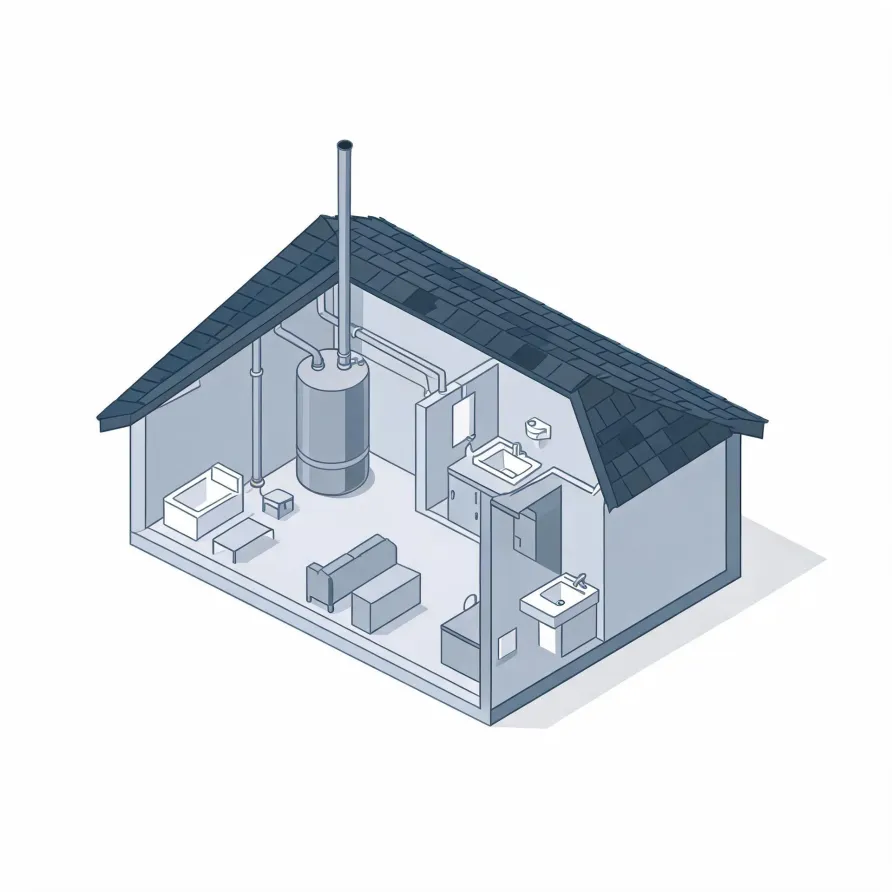
The storage tank is the piece most homeowners already know. It sits in a utility room, garage, or basement and holds a supply of water that a gas burner or electric heating element keeps at temperature. The pressure relief valve mounts directly on the tank and releases if pressure inside builds past a safe point.
The cold-water inlet and hot-water outlet connections sit at the top of the tank and tie the unit into the home's supply lines. A drain valve at the base lets a contractor flush sediment. The flue or exhaust vent, on gas models, runs from the top of the unit up and out of the house.
The drawing shows a typical layout, and a licensed contractor determines exactly what applies to your home and its existing plumbing configuration.
Get matched in Monroe CountyMonroe County, Georgia, by the numbers
46 severe weather events were recorded in Monroe County, Georgia between 2015 and 2024.
NOAA National Centers for Environmental Information, Storm Events Database, bulk CSV export, events 2015-01-01 through 2024-12-31.Half the homes in Monroe County, Georgia were built in 1995 or earlier (2020-2024 ACS 5-year).
U.S. Census Bureau, 2020-2024 American Community Survey 5-Year EstimatesMonroe County, Georgia holds 11,577 housing units (2020-2024 ACS 5-year).
U.S. Census Bureau, 2020-2024 American Community Survey 5-Year EstimatesOwners occupy 83.8% of the occupied homes in Monroe County, Georgia (2020-2024 ACS 5-year).
U.S. Census Bureau, 2020-2024 American Community Survey 5-Year EstimatesSevere Weather Events in Monroe County
Extreme weather puts water heaters under real stress, accelerating wear on tanks, heating elements, and connections. How often that stress hits Monroe County shapes what a water heater here needs to handle and how soon it may need attention.
46 severe weather events, 2015–2024. Source: NOAA National Centers for Environmental Information, Storm Events Database.