Tell us about the job
Takes about a minute. No obligation.
A contractor quoting a water heater installation in Wayne County has to account for what the local climate has already established as normal operating pressure on plumbing and HVAC equipment. 83 severe weather events were recorded in Wayne County, Georgia between 2015 and 2024. At that rate, severe weather is a standing feature of life here, and a unit specified without accounting for it gets sized for conditions that do not exist. The contractor's first question is what this location actually demands of the equipment, and the installation follows from that answer.
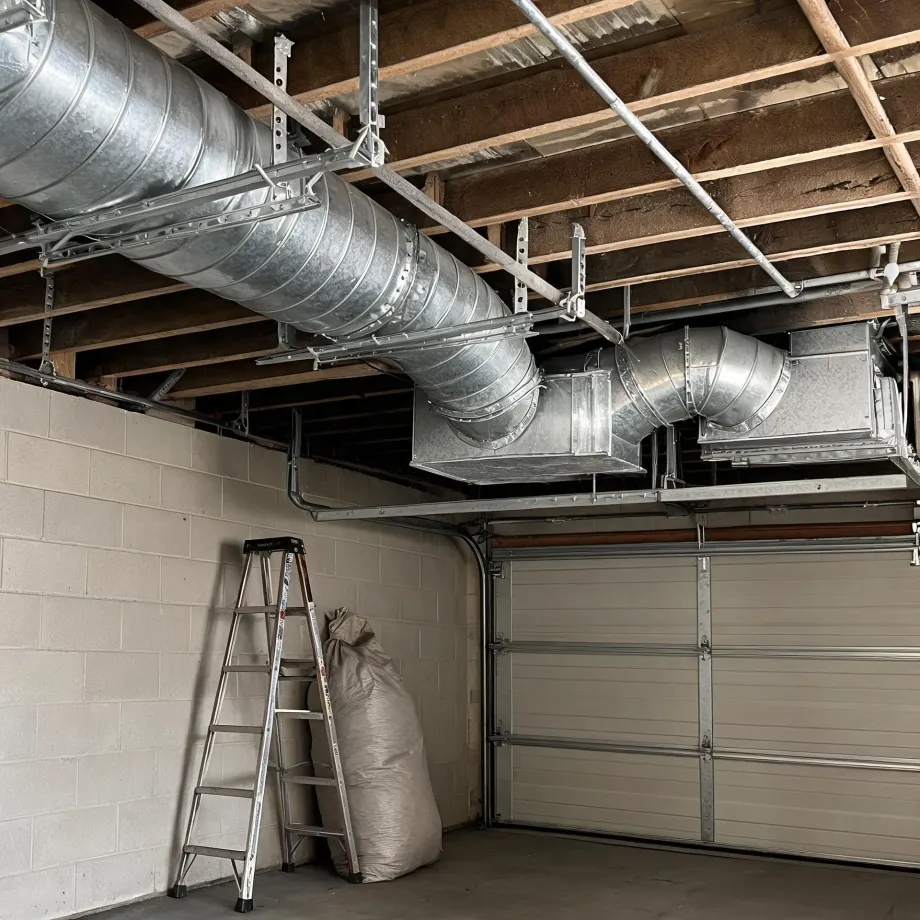
Ductwork and electrical service put in decades ago were built for the equipment of that era, and what a contractor finds behind the walls is what decides how a water heater installation actually scopes out. Half the homes in Wayne County, Georgia were built in 1989 or earlier (2020-2024 ACS 5-year). A house in that range of the stock carries plumbing runs, venting pathways, and panel capacity sized for whatever was standard then, and a contractor quoting a new unit has to confirm those fit before pricing the job. If they do not, the house determines the bill more than the unit does.
What a Water Heater Installation Covers
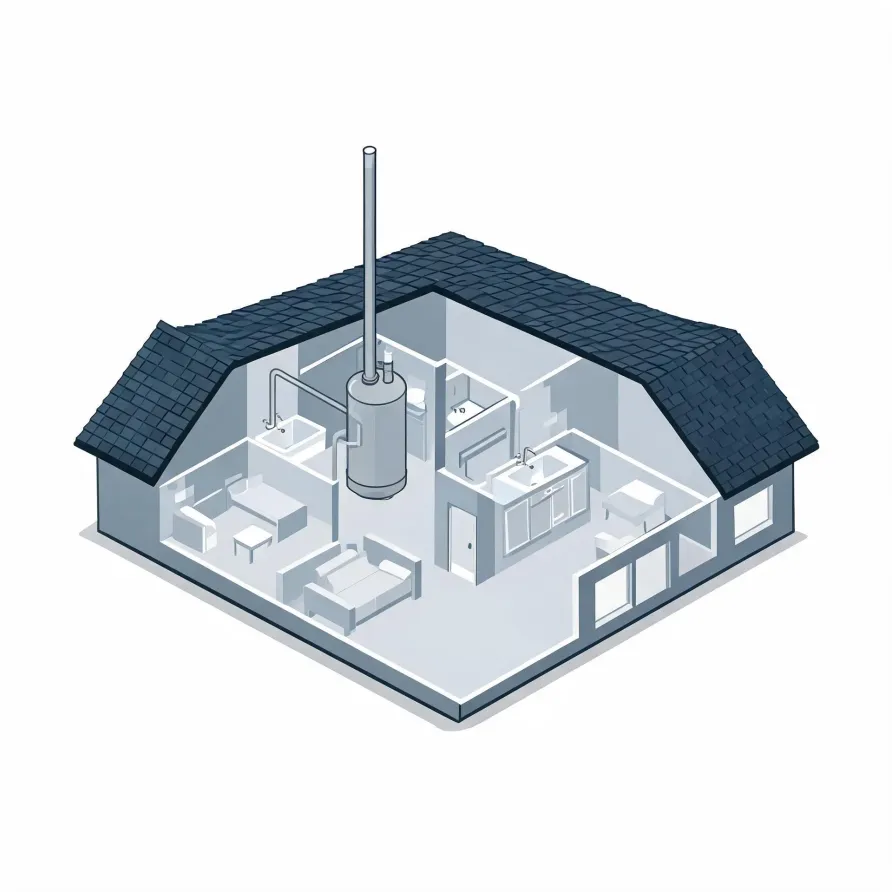
The tank is the piece a homeowner notices first. It sits in a utility closet, basement, or garage and holds a set volume of water that a burner or heating element keeps ready at temperature. The pressure relief valve mounts directly on the tank and releases if pressure climbs too high.
The cold supply line feeds into the tank from above, and the hot outlet line carries heated water out to every fixture in the house. A drain valve sits near the base of the tank, and the flue or exhaust vent runs from the top of the unit up and out of the structure to carry combustion gases away.
The drawing shows a typical layout, and a licensed contractor determines exactly what applies to your house and its existing plumbing and venting.
Get matched in Wayne CountyWayne County, Georgia, by the numbers
83 severe weather events were recorded in Wayne County, Georgia between 2015 and 2024.
NOAA National Centers for Environmental Information, Storm Events Database, bulk CSV export, events 2015-01-01 through 2024-12-31.Half the homes in Wayne County, Georgia were built in 1989 or earlier (2020-2024 ACS 5-year).
U.S. Census Bureau, 2020-2024 American Community Survey 5-Year EstimatesWayne County, Georgia holds 12,704 housing units (2020-2024 ACS 5-year).
U.S. Census Bureau, 2020-2024 American Community Survey 5-Year EstimatesOwners occupy 67.3% of the occupied homes in Wayne County, Georgia (2020-2024 ACS 5-year).
U.S. Census Bureau, 2020-2024 American Community Survey 5-Year EstimatesSevere Weather Events in Wayne County
Extreme weather puts real stress on water heating equipment, shortening service life and pushing systems to fail at the worst moments. How often that pressure shows up here shapes what a water heater in Wayne County needs to handle over its lifetime.
83 severe weather events, 2015–2024. Source: NOAA National Centers for Environmental Information, Storm Events Database.