Tell us about the job
Takes about a minute. No obligation.
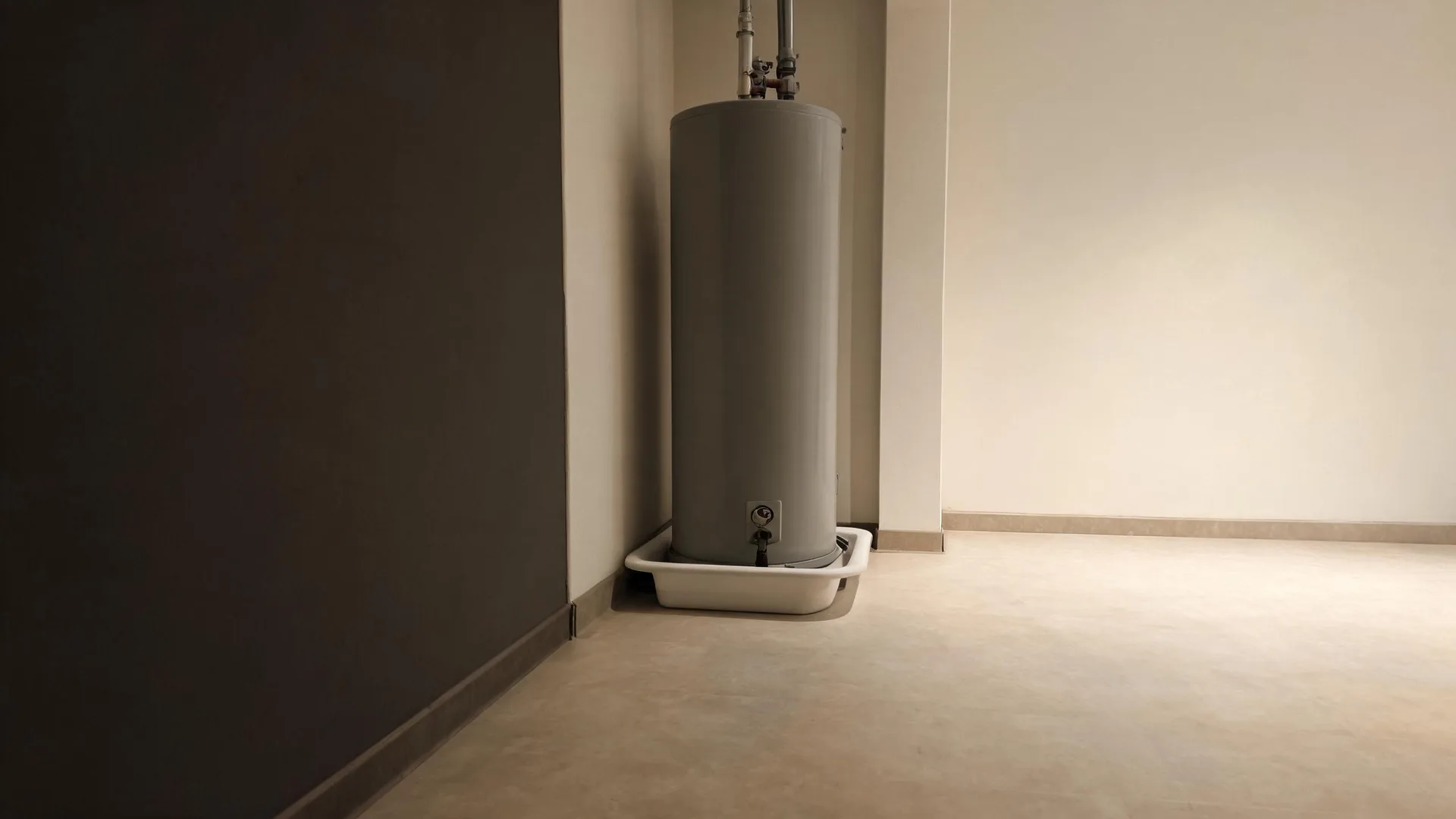
A contractor quoting a water heater installation in Lee County is solving a household problem, not accounting for an unusually punishing climate. 81 severe weather events were recorded in Lee County, Georgia between 2015 and 2024. At that rate, severe weather is an occasional fact of life here rather than a standing pressure on equipment, which means a failed or undersized unit is almost certainly a product of age, original sizing, or how the home has changed since it was first plumbed. The contractor's first questions before pulling a spec sheet are about the number of people in the house, the incoming water temperature, and what the current unit has been asked to do.
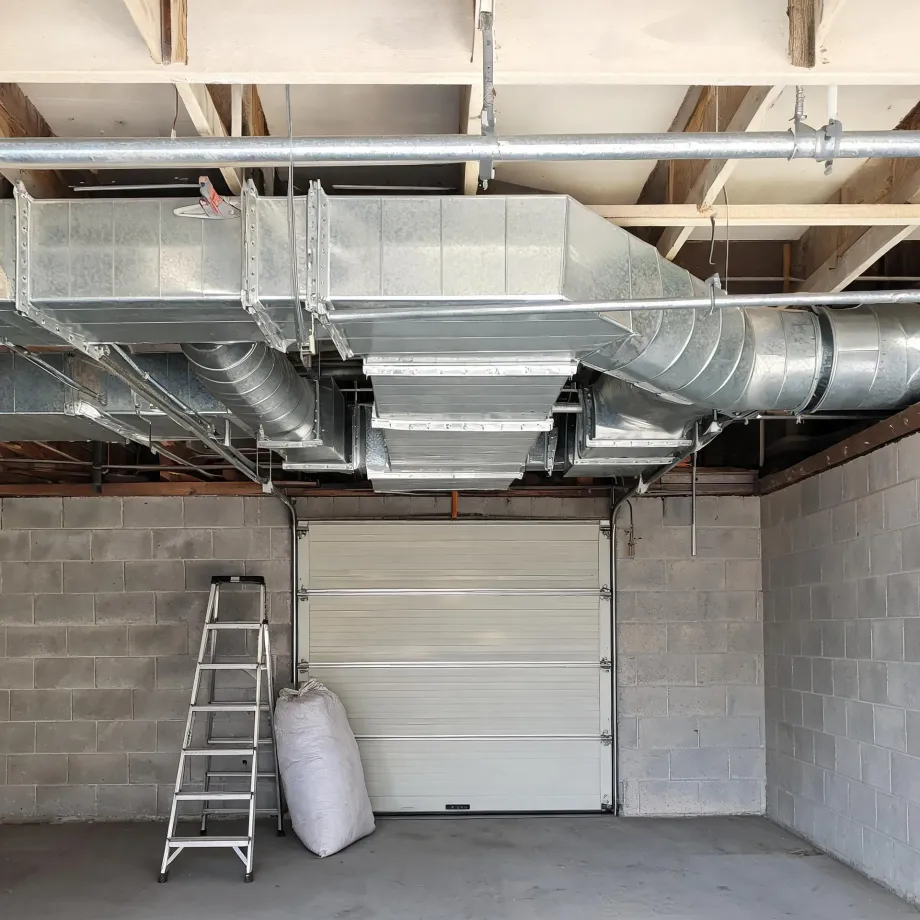
The electrical service in a Lee County house is where a water heater installation gets priced or stalls. Half the homes in Lee County, Georgia were built in 1998 or earlier (2020-2024 ACS 5-year). What was wired into those houses met the standards of that period, and a new water heater's draw may not match what the panel was designed to supply. A contractor quoting the job will open that question before settling on equipment, because the panel upgrade, if one is needed, changes the bill more than the unit itself does.
What a Water Heater Installation Covers
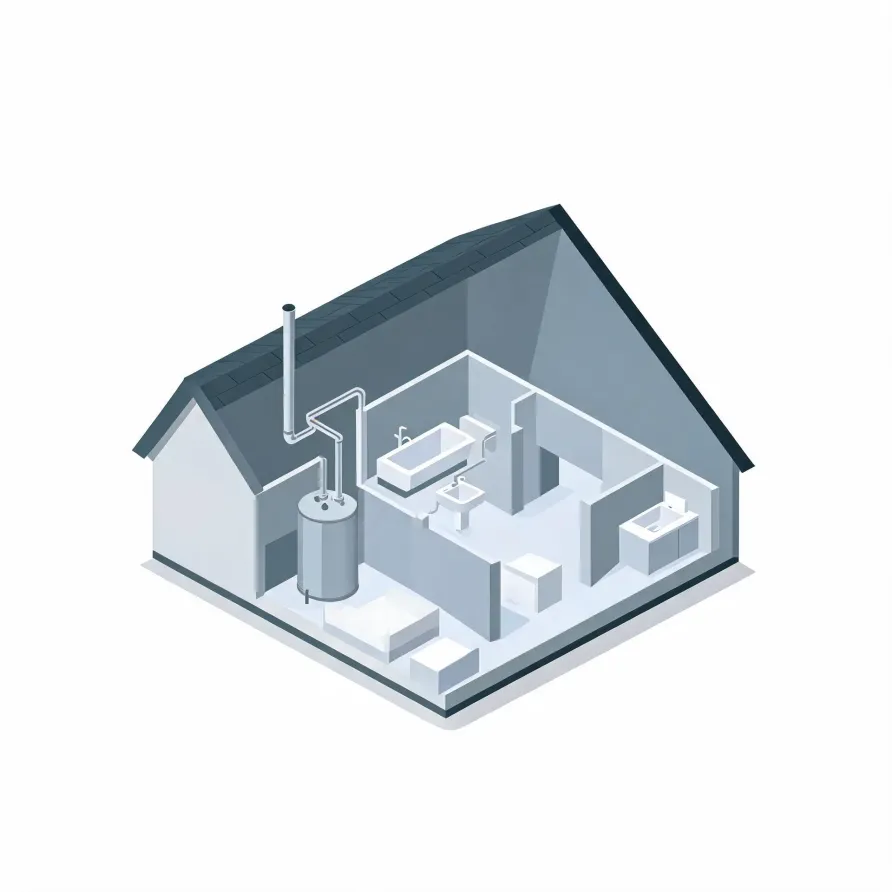
The tank is the centerpiece of the system. It sits in a utility closet, garage, or basement and holds water at a set temperature so hot water is ready at every tap. The burner or heating element lives inside or beneath the tank and does the actual heating work.
The pressure relief valve mounts on the tank's side and releases if pressure climbs beyond a safe point. A cold-water inlet pipe feeds into the top of the tank, and a hot-water outlet carries heated water out to the rest of the house. The drain valve sits near the base and gives a contractor access to the tank's interior.
The drawing shows a typical layout, and a licensed contractor determines exactly what applies to your house and its existing setup.
Get matched in Lee CountyLee County, Georgia, by the numbers
81 severe weather events were recorded in Lee County, Georgia between 2015 and 2024.
NOAA National Centers for Environmental Information, Storm Events Database, bulk CSV export, events 2015-01-01 through 2024-12-31.Half the homes in Lee County, Georgia were built in 1998 or earlier (2020-2024 ACS 5-year).
U.S. Census Bureau, 2020-2024 American Community Survey 5-Year EstimatesLee County, Georgia holds 13,012 housing units (2020-2024 ACS 5-year).
U.S. Census Bureau, 2020-2024 American Community Survey 5-Year EstimatesOwners occupy 74.2% of the occupied homes in Lee County, Georgia (2020-2024 ACS 5-year).
U.S. Census Bureau, 2020-2024 American Community Survey 5-Year EstimatesSevere Weather Events in Lee County
Weather in Lee County puts real demand on water heaters, driving recovery cycles and shortening equipment life faster than moderate climates do. How hard a unit works here is a local fact, and installation decisions should reflect it.
81 severe weather events, 2015–2024. Source: NOAA National Centers for Environmental Information, Storm Events Database.