Tell us about the job
Takes about a minute. No obligation.
Age, sediment buildup, and a worn anode rod explain most water heater failures a contractor sees in this area. 61 severe weather events were recorded in Ware County, Georgia between 2015 and 2024. At that rate, severe weather is an occasional event rather than a standing condition, so a contractor diagnosing a failed unit here focuses on what the unit has done to itself over the years. A tank that has never been flushed, a heating element near the end of its service life, or a pressure relief valve that has been working silently for too long will produce the same symptoms that weather gets blamed for elsewhere.
Half the homes in Ware County, Georgia were built in 1978 or earlier (2020-2024 ACS 5-year). A water heater sitting in a house that age has often outlasted the product lines it was built around. When a contractor opens the unit, the question that shapes the repair is whether the components inside still have parts available, or whether the repair becomes a sourcing problem before it becomes a technical one. Some systems of this vintage do; some do not. The answer changes what a contractor quotes and whether the job proceeds as a repair at all.
The Parts of a Water Heater a Contractor Checks First
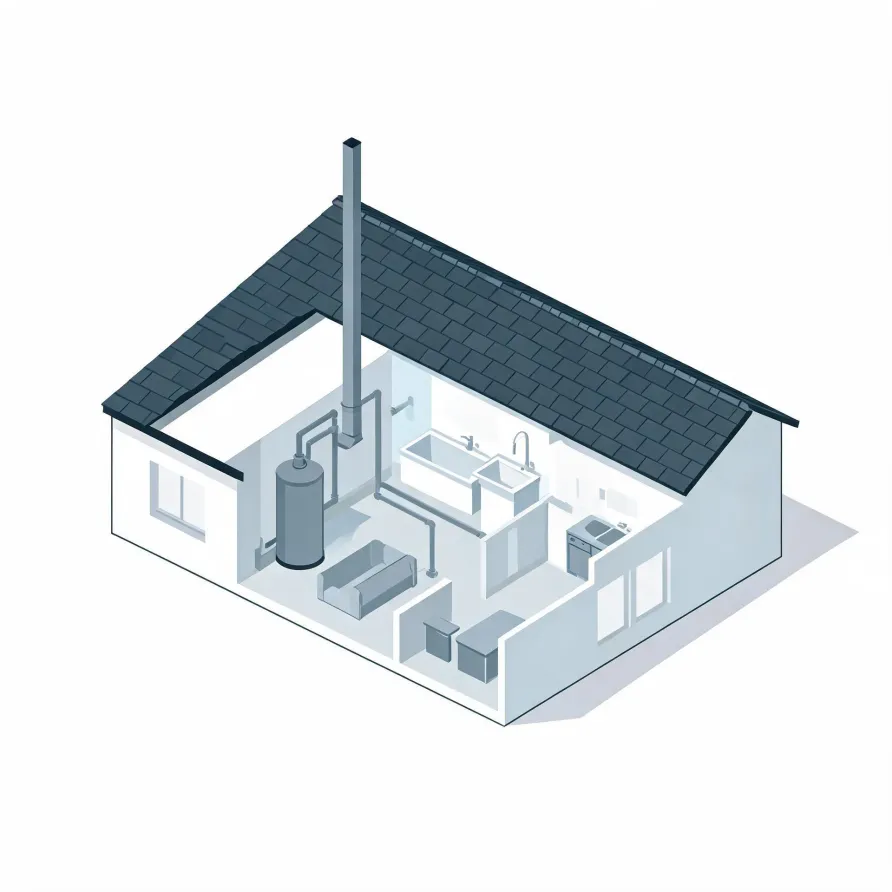
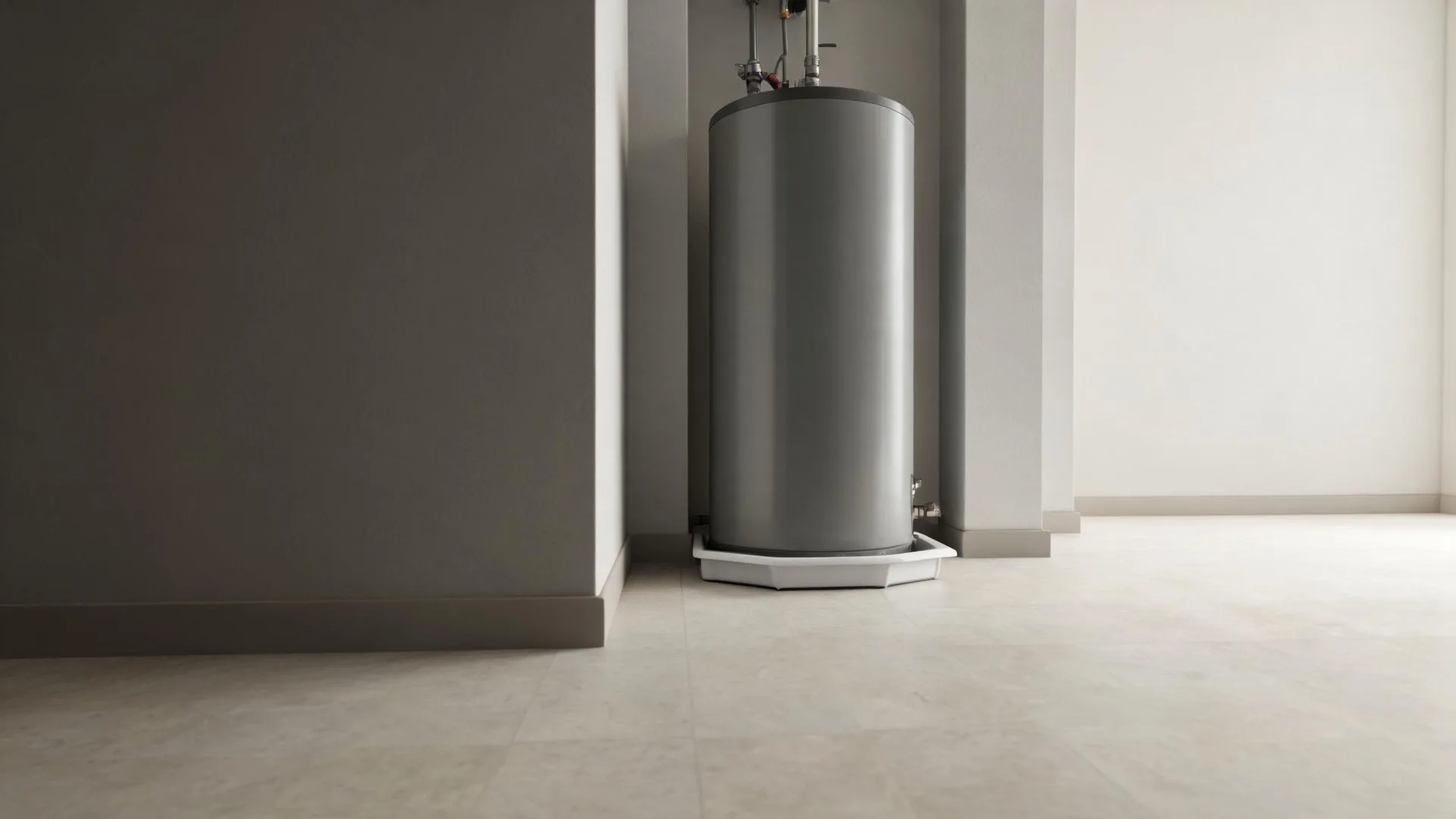
The tank is the piece a homeowner notices first, and it sits in a utility room, basement, or garage. It holds and heats a supply of water, and when something goes wrong, the tank itself, the burner or heating element inside it, and the thermostat controlling temperature are the first places a contractor looks.
The pressure relief valve mounts on the side of the tank and is the system's safety release. Running alongside are the inlet and outlet pipes that carry cold water in and hot water out, and the anode rod suspended inside the tank slows corrosion from within. Any of these can be the source of a problem.
The drawing shows the general layout of a water heater system, and a licensed contractor determines which parts apply to the specific unit and conditions in your home.
Get matched in Ware CountyWare County, by the numbers
61 severe weather events were recorded in Ware County, Georgia between 2015 and 2024.
NOAA National Centers for Environmental Information, Storm Events Database, bulk CSV export, events 2015-01-01 through 2024-12-31.Half the homes in Ware County, Georgia were built in 1978 or earlier (2020-2024 ACS 5-year).
U.S. Census Bureau, 2020-2024 American Community Survey 5-Year EstimatesWare County, Georgia holds 15,943 housing units (2020-2024 ACS 5-year).
U.S. Census Bureau, 2020-2024 American Community Survey 5-Year EstimatesOwners occupy 63.1% of the occupied homes in Ware County, Georgia (2020-2024 ACS 5-year).
U.S. Census Bureau, 2020-2024 American Community Survey 5-Year EstimatesSevere Weather Events in Ware County
Extreme weather puts real stress on water heaters, forcing equipment to work harder and shortening the life of parts that were already under load. How much of that pressure a unit absorbs depends on what the local climate actually delivers.
61 severe weather events, 2015–2024. Source: NOAA National Centers for Environmental Information, Storm Events Database.