Tell us about the job
Takes about a minute. No obligation.
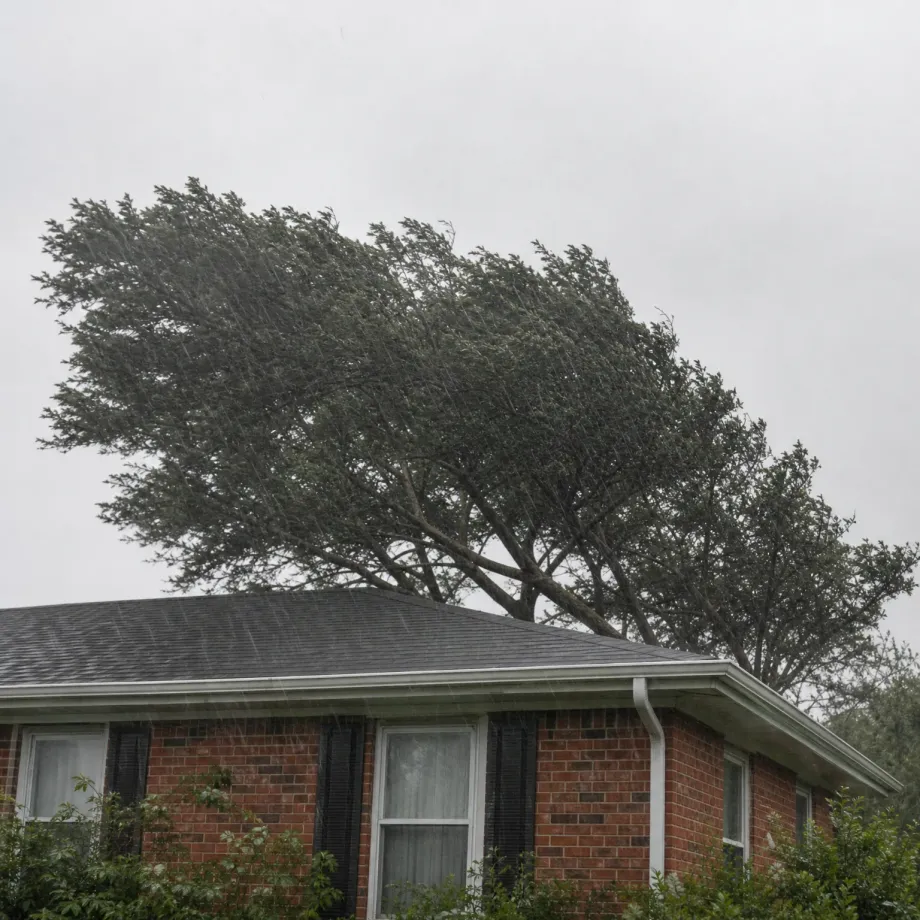
A contractor coming out to a water heater repair in Brooks County has to settle one question before pricing the job: what has actually been wearing this unit down. 100 severe weather events were recorded in Brooks County, Georgia between 2015 and 2024. That kind of recurring load does put real stress on pressure relief valves and anode rods over time. But those same parts also degrade from sediment buildup and from a unit that has simply run past its useful life, and most repairs here trace back to those causes. A contractor who does not sort one from the other will replace the wrong part.
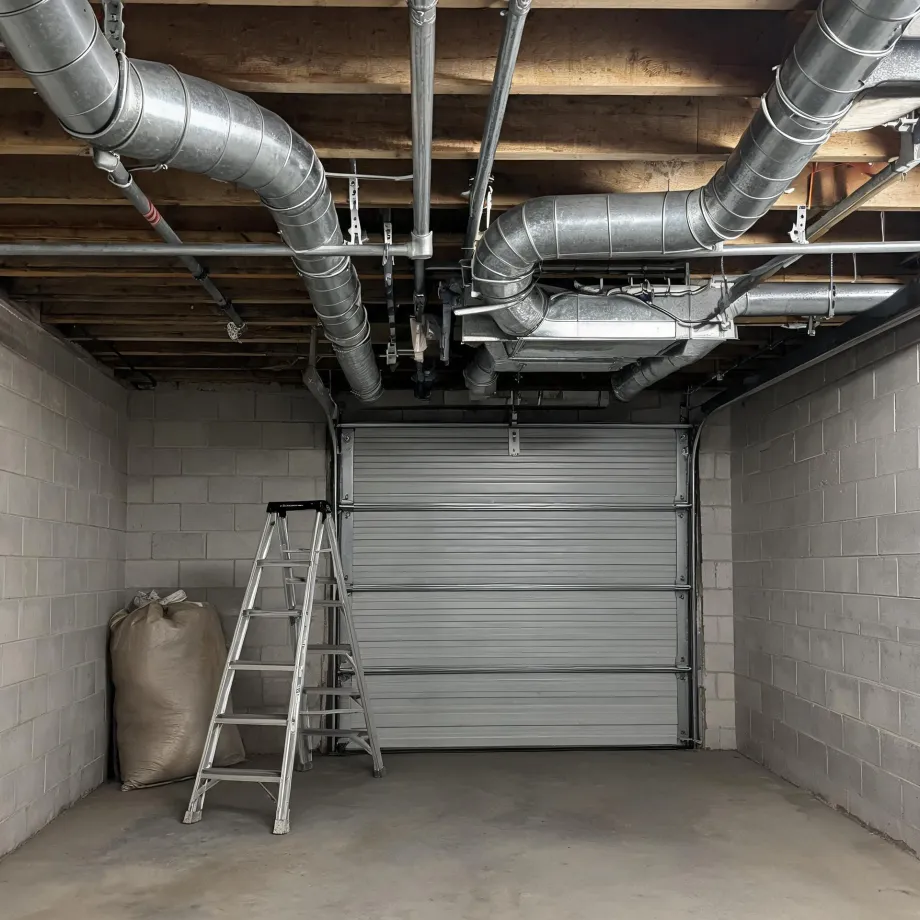
Half the homes in Brooks County, Georgia were built in 1987 or earlier (2020-2024 ACS 5-year). A tank that has been pulling from the same supply lines for decades accumulates sediment at the bottom and corrosion at the anode rod, and when a contractor opens the system those two conditions together decide the repair scope. Sediment buildup cuts heating efficiency and strains the element; a depleted anode rod leaves the tank lining exposed. Whether a given repair holds long enough to be worth the parts depends on what that internal inspection shows, not on the age printed on the unit's label.
The Parts of a Water Heater a Contractor Checks First
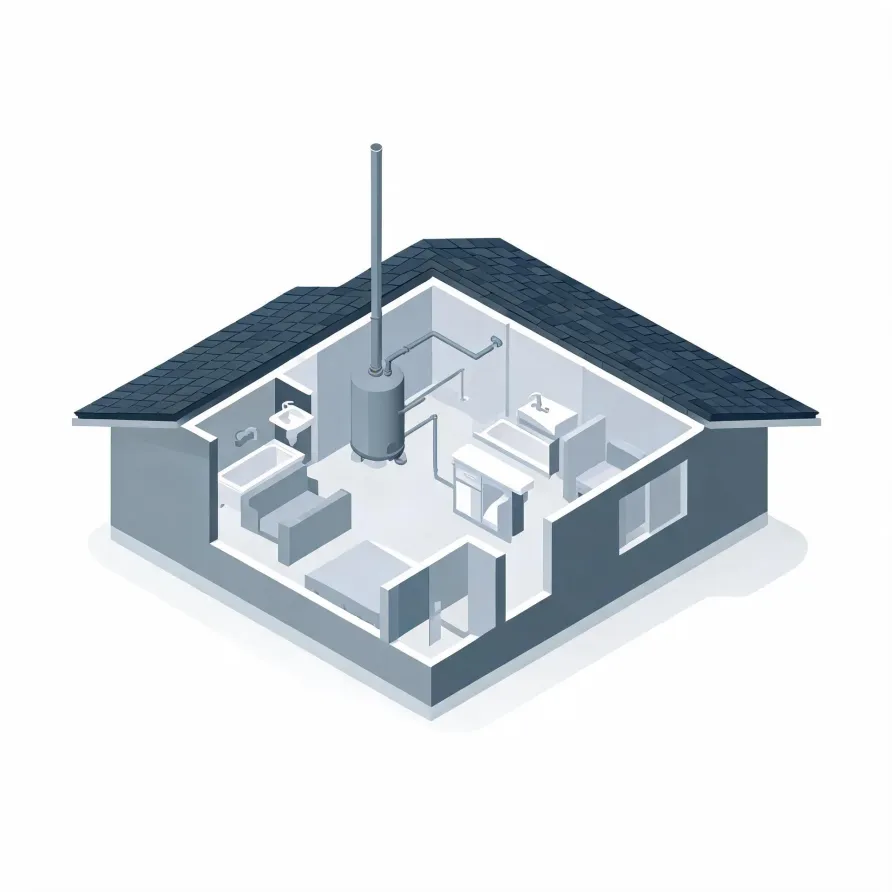
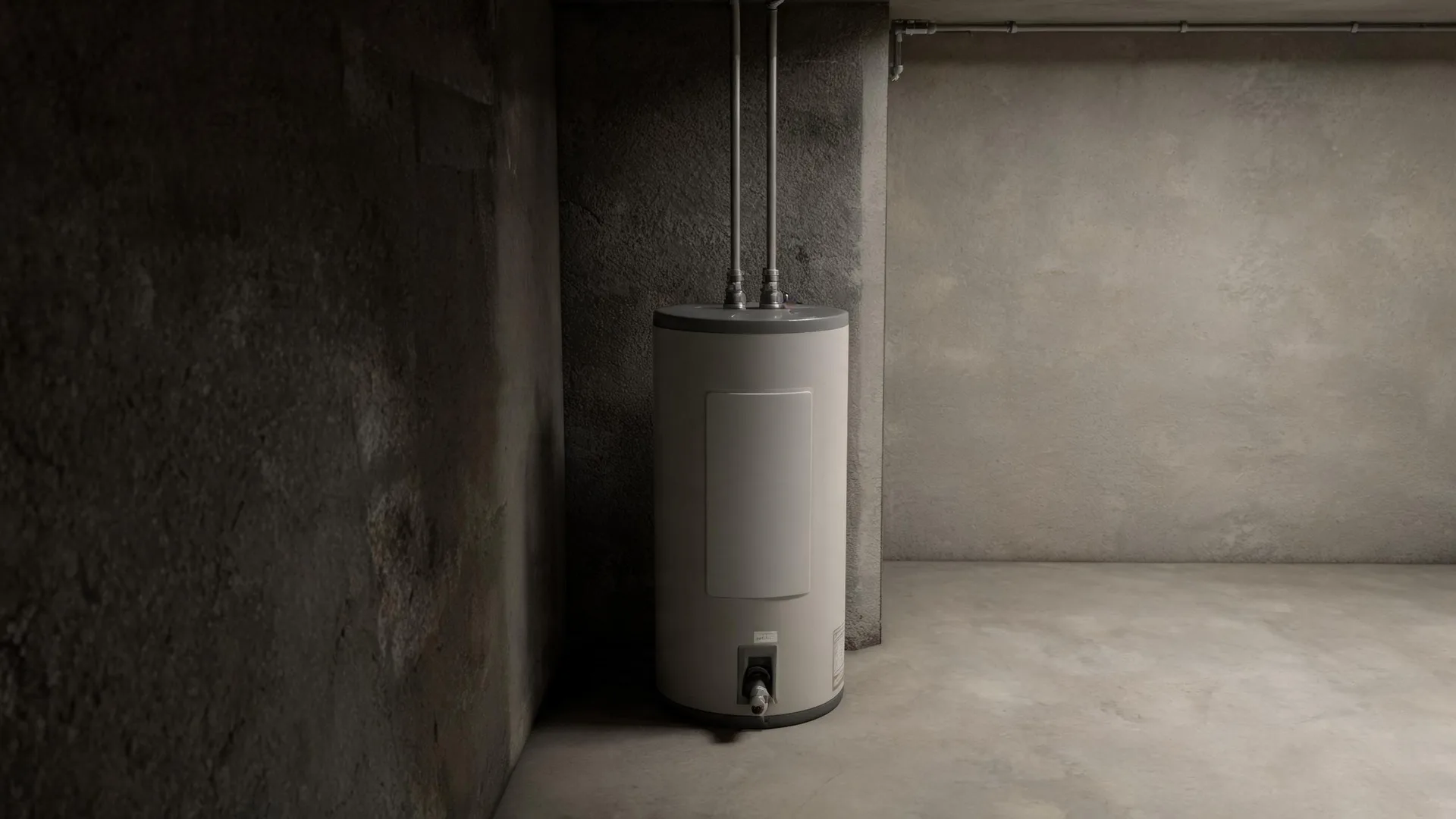
The tank is the piece most homeowners know by sight. It sits in a utility room, basement, or garage and holds the water your household draws on. When repair is the reason for the visit, the tank itself is where a contractor looks for corrosion, sediment buildup at the bottom, or signs of leaking around the base.
The heating element or burner assembly sits inside or beneath the tank depending on whether the unit runs on electricity or gas. The thermostat, the pressure relief valve, and the inlet and outlet connections each attach to the tank and carry their own failure points that a contractor works through during diagnosis.
The drawing shows a general layout of the system, and a licensed contractor determines which components apply to the specific unit in your home.
Get matched in Brooks CountyBrooks County, Georgia, by the numbers
100 severe weather events were recorded in Brooks County, Georgia between 2015 and 2024.
NOAA National Centers for Environmental Information, Storm Events Database, bulk CSV export, events 2015-01-01 through 2024-12-31.Half the homes in Brooks County, Georgia were built in 1987 or earlier (2020-2024 ACS 5-year).
U.S. Census Bureau, 2020-2024 American Community Survey 5-Year EstimatesBrooks County, Georgia holds 7,357 housing units (2020-2024 ACS 5-year).
U.S. Census Bureau, 2020-2024 American Community Survey 5-Year EstimatesOwners occupy 71.7% of the occupied homes in Brooks County, Georgia (2020-2024 ACS 5-year).
U.S. Census Bureau, 2020-2024 American Community Survey 5-Year EstimatesSevere Weather Events in Brooks County
Extreme weather puts water heaters under stress, forcing them to work harder and wear faster. How often that happens in Brooks County shapes how much repair work local equipment actually needs.
100 severe weather events, 2015–2024. Source: NOAA National Centers for Environmental Information, Storm Events Database.